How to Build a Pinterest Sales Funnel for your Business
Have you ever hear of the “rule of 7” in marketing? It’s the rule that a customer has to see a brand’s messaging at least 7 times before they make a purchase decision. The idea is that repeatedly seeing the brand helps build familiarity and trust, which is vital to sales because people only buy from those they know, like and trust.
A sales funnel is a marketing model that helps you get those touch points with customers, from first discovering your brand to making a purchase. It’s called a “funnel” because it starts broad at the top with many potential customers and narrows down to those who actually make a purchase.
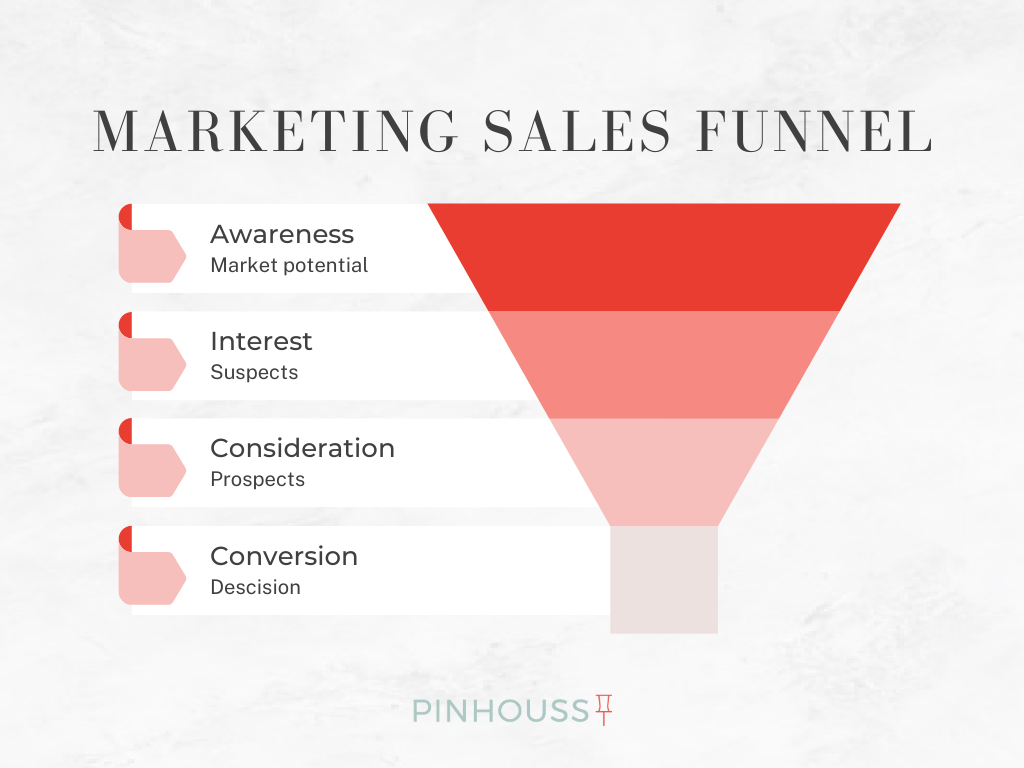
Having an effective Pinterest sales funnel is key because it helps you systematically attract, engage, and convert users, making sure no potential customer slips through the cracks. We’ve talked before about how to create a Pinterest sales funnel, but today I want to talk through the stages of your funnel. What should you do in each phase to drive conversions?
Before we jump in though, you need to have a clear idea of what “conversions” look like to your business. Here’s some examples of common end goals a business might have:
- Product Sales
- Quality Traffic
- Affiliate Sales
- Email sign-ups
- Contact form submissions
- Audience Growth
Once you have your goal, you can work backwards to create your Pinterest sales funnel.
Stage 1: Awareness
First things first, you’ve got to get noticed. The Awareness stage is all about making potential customers aware of your brand, products, or services. This is where you catch the eye of Pinterest users who might not even know they need you yet. This is when you want to be loud and proud and put adding value at the front of your focus.
Tips for Building Awareness:
- Create Eye-Catching Pins:
-
-
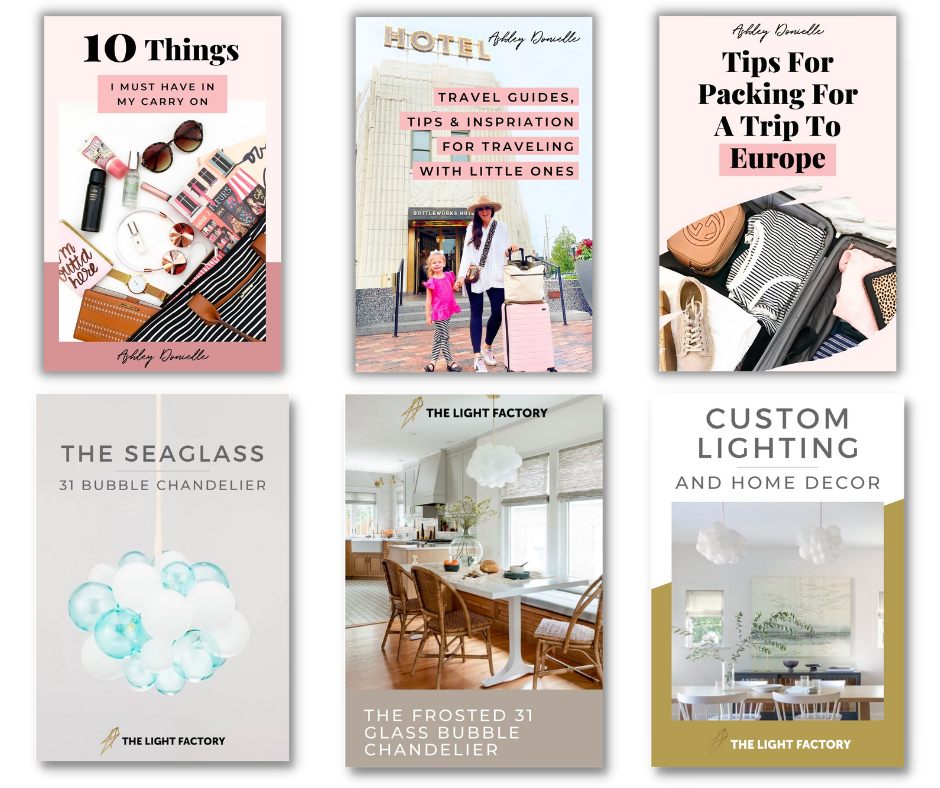
- Design Matters: Invest in high-quality, visually appealing pins. Use bright, bold colors, clear text overlays, and professional images to grab attention.
- Brand Consistency: Make sure your pins reflect your brand’s identity with consistent colors, fonts, and logos.
- Vertical Orientation: Pinterest loves vertical pins (2:3 aspect ratio). They stand out more in the feed and are more likely to be noticed
-
2. Optimize for Search:
-
-
- Keyword Research: Find out what your audience is searching for and use those keywords in your pin descriptions, board titles, and profile.
- Rich Pins: Enable Rich Pins to add extra info directly on the pin, like pricing or availability, making them more engaging.
-
Check out our guide for How to Find the Keywords that will Bring your the Most Traffic
3. Engaging Content:
-
-
-
- How-To Guides: Create pins that offer valuable info, like tutorials, tips, and how-to guides. These are super shareable and attract a broader audience.
- Seasonal Content: Tailor your pins to align with seasonal trends and events. For example, if you sell home decor, showcase holiday-themed decorations.
-
-
4. Promoted Pins:
-
-
-
-
- Targeted Ads: Use Pinterest Ads to promote your awareness pins to a larger, more targeted audience. You can target users based on their interests, behaviors, and demographics.
- A/B Testing: Experiment with different ad creatives and copy to see which ones perform best. Optimize based on the results.
-
-
-
Stage 2: Consideration
Once people know about you, the next step in your Pinterest sales funnel is to get them to consider your products or services seriously. This stage is about providing more in-depth info and nurturing the relationship. This is when you want users to take the next step in your funnel, whether that’s visiting your website or signing up for your email list.
Tips for the Consideration Stage:
- Create Valuable Content:
- Blog Posts and Articles: Share pins that link to detailed blog posts, articles, or resources on your website. Provide valuable insights, tips, and info related to your products or industry.
- Videos and Infographics: Use videos and infographics to convey complex information in an engaging and easily digestible format.
- Lead Magnets:
- Free Resources: Offer free resources like eBooks, checklists, or templates in exchange for users’ email addresses. Create pins that promote these lead magnets and link to landing pages where users can sign up.
- Webinars and Workshops: Host webinars or workshops that provide in-depth knowledge or training related to your products. Promote these events through pins and encourage sign-ups.
- Engage with Your Audience:
- Comments and Messages: Engage with users who comment on your pins or send you messages. Answer questions, provide additional information, and build a relationship with your audience.
- User-Generated Content: Pin your user generated content showing other customers to build trust with your audience.
- Pinterest Boards:
- Organized Boards: Create boards that are organized by themes, product categories, or customer interests. This makes it easier for users to find and explore your content.
- Collaborative Boards: Partner with influencers or complementary brands to create collaborative boards. This can help you reach a broader audience and provide more value to your followers.
Stage 3: Conversion
Now comes the exciting part – conversions! This is where you guide users to take the desired action, whether it’s making a purchase, signing up for a service, or any other conversion goal.
Tips for Driving Conversions:
- Clear Calls to Action (CTAs):
- Strong CTAs: Make sure your pins have clear and compelling CTAs. Use action-oriented language like “Shop Now,” “Get Started,” or “Sign Up Today.”
- Clickable Pins: Ensure your pins link directly to relevant landing pages, product pages, or sign-up forms. Minimize the number of clicks required to complete the conversion.
- Optimized Landing Pages:
- Consistent Branding: Ensure your landing pages match the look and feel of your pins. Consistent branding helps build trust and reduces friction.
- Mobile-Friendly: Optimize your landing pages for mobile users, as a significant portion of Pinterest traffic comes from mobile devices.
- Pinterest Shopping:
- Shop the Look Pins: Use Shop the Look pins to allow users to purchase products directly from the pin. This makes it easy for users to buy multiple items featured in a single pin.
- Product Catalogs: Upload your product catalogs to Pinterest to create dynamic, shoppable pins. This enables users to discover and purchase products seamlessly.
- Retargeting:
- Promoted Pins: Use retargeting ads to reach users who have previously engaged with your content but haven’t converted yet. Show them relevant products or offers to encourage them to complete the purchase.
- Dynamic Retargeting: Implement dynamic retargeting to show users the exact products they viewed or added to their cart, reminding them to complete their purchase.
- Promotions and Discounts:
- Exclusive Offers: Promote exclusive offers, discounts, or limited-time deals through your pins. Highlight these offers with attention-grabbing graphics and clear CTAs.
- Urgency and Scarcity: Create a sense of urgency by emphasizing limited availability or time-sensitive offers. This can motivate users to act quickly.
An effective Pinterest sales funnel can make a huge difference for your business by driving traffic, generating leads, and converting those leads into loyal customers. Focus on building awareness, nurturing consideration, and driving conversions to create a seamless and engaging experience for your audience on Pinterest. Implement these strategies and watch your business thrive on this visual powerhouse of a platform.

Pinterest is our jam! It’s all we do. We would love to help your business build a Pinterest sales funnel and then drive those results so your business can leverage the power of Pinterest marketing. From Pinterest advertising to Pinterest strategy and consultations, we do it all!
Contact us to get more information.