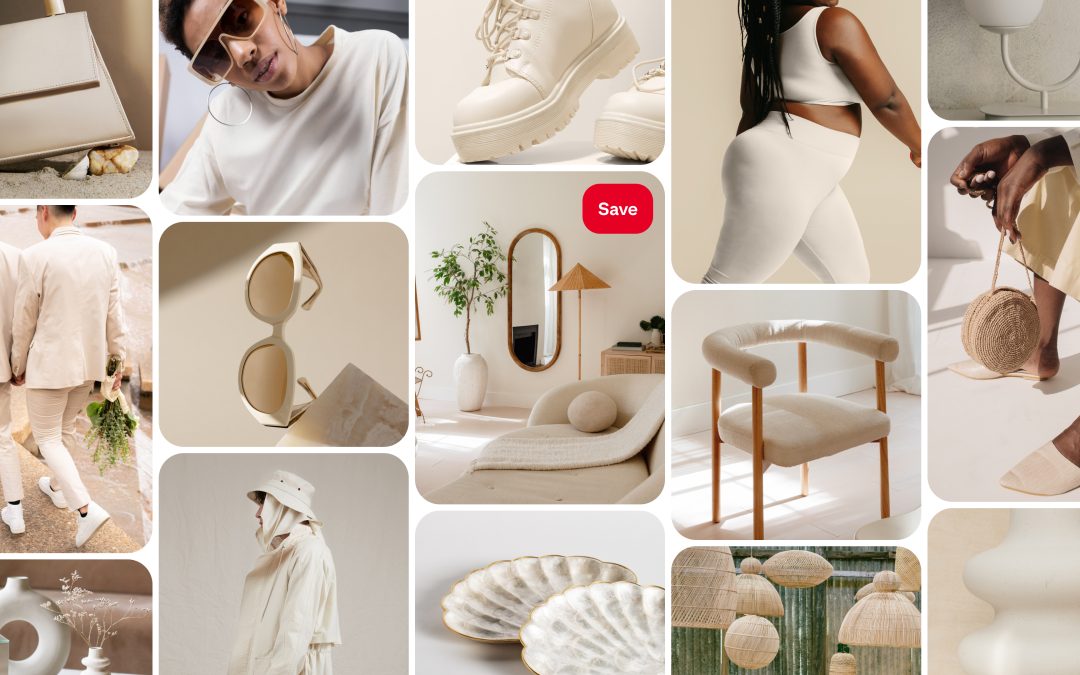
Pinterest isn’t just another social platform for home decor and lifestyle brands. It’s where your ideal customer goes before they buy. Before they pick a paint color. Before they commit to a sofa. Before they decide which lighting fixture, rug, or accent piece fits their space.
At PinHouss, we’ve helped dozens of brands in visual categories unlock growth on Pinterest by moving beyond boosted pins and towards real ad strategy that aligns with how people use the platform. Here’s why Pinterest ads work so well — and why they deserve a bigger place in your marketing plan.
1. Pinterest Users Are Actively Shopping
Pinterest users don’t come to scroll. They come to plan, discover, and shop.
- Around 90% of Pinterest users are in a shopping mindset, actively seeking products and ideas.
- 83% of weekly Pinners have gone on to make a purchase after seeing a Pin.
- Nearly 50% of Pinterest users visit the platform to research brands and products — more than many other social sites.
This matters for home and lifestyle brands because your category naturally aligns with what people are looking for on the platform: inspiration that turns into action.
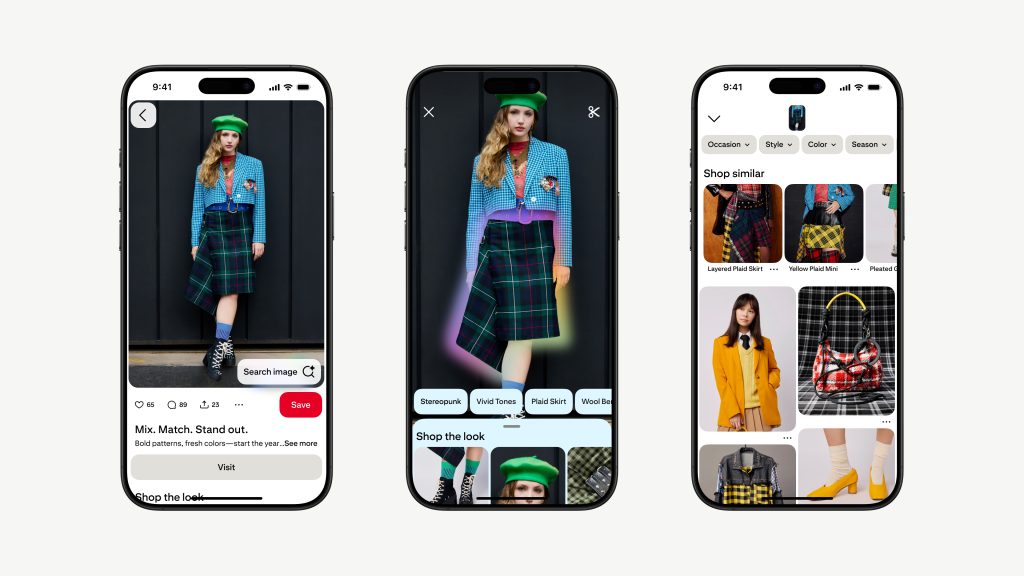
People search before they decide how a space should feel, what colors they love, what furniture fits their style, and what accessories complete a room. When your ads show up in that moment of intent, you get in earlier in the decision process — not after it.
That early intent is why Pinterest ads tend to show higher conversion lift per dollar spent than traditional social ads. But to tap into that, your campaigns have to be built around search intent and inspiration, not interruption.
2. Pinterest Has Massive Reach Around Home & Lifestyle Audiences
Pinterest’s audience is big — and growing.
- Pinterest reached around 600 million monthly active users worldwide as of Q3 2025, a near 12% year-over-year increase.
- Ads on Pinterest reached 340 million people globally in January 2025 alone.
- A significant majority of Pinners are women, and many fall into prime buying demographics for home and lifestyle products.
- Pinterest also reaches high-income households, with over 40% of U.S. users having a household income over $100,000.
This combination of reach + intent + buying power is exactly why Pinterest performs well for lifestyle categories where visual inspiration turns into real purchases — from furniture and lighting to decor pieces and hosted living spaces.
And because Pinterest isn’t driven by endless viral loops or algorithmic churn the way other platforms are, your pins and ads often have a longer shelf life, continuing to pull in impressions and saves for weeks or months after publishing.
3. Pinterest Works Like a Shopping Search Engine
Pinterest is often described as a “visual search engine,” and that’s no accident. Unlike platforms where users scroll aimlessly, Pinterest users search first, and browse second. They’re exploring topics like “modern gallery wall ideas,” “cozy bedroom lighting,” or “how to style floating shelves.” With over 96% of searches being unbranded, Pinterest is a discovery powerhouse, meaning users aren’t locked into a specific product or brand when they land there.

This discovery mindset is gold for home and decor brands because it gives you the chance to show up before a buyer even knows what they want, much less which brand they’ll buy from.
But this also means:
- Your Pinterest keyword strategy matters more than your vanity likes
- Your ads need to speak to customer intent, not just look pretty
- Conversion lift comes from visibility + relevance, not random reach
At PinHouss, our first step in an ad campaign is always search intent mapping — aligning campaigns to actual keywords and queries people use when planning purchases. That’s where the strategy begins and where many brands first see momentum.
4. Pinterest Ads Support Longer Buying Journeys
WHen it comes to high end products, there tends to be a bit of a longer buyer cycle. People don’t buy sofas, rugs, or curated decor collections on a whim, and that’s OK.
Pinterest doesn’t expect them to.

Instead, the platform supports a longer journey — from discovering a concept, to absorbing inspiration, to saving ideas, all the way through conversion. Users revisit boards, paint their dream rooms, and gradually narrow down choices.
That longer purchase cycle is actually a strength for Pinterest ads. Unlike platforms optimized for rapid, short attention spans, Pinterest provides multiple touchpoints over time, especially valuable for items with higher average order values or considered purchases.
In our experience working with home and lifestyle clients, Pinterest becomes a top-and-mid-funnel powerhouse that:
- Increases branded searches off platform
- Drives quality traffic that can be retargeted and converted later
- Continues to generate engagement weeks after posting
Unless you’re managing for the long term, you often underestimate Pinterest’s impact. Seeing Pinterest as just an “awareness channel” misses the value of how it supports view -> save -> revisit -> buy.
5. Pinterest Ads Are Often More Cost-Effective Than Other Platforms
Many advertisers assume Pinterest costs more. In fact, some studies show the opposite.
Industry data suggests:
- Pinterest ads can be 2.3x more cost effective per conversion compared to other social ad platforms.
- Pinterest may drive higher ecommerce traffic with strong ROI per ad dollar because users are closer to purchase intent.
This is partly because Pinterest users are actively seeking solutions and products, not just entertainment. So when your ad resonates — aligned to search and visual interest — the result is often higher engagement and better conversion rates.
Of course, this doesn’t happen by accident. Pinterest advertising still requires structure, optimization, and pacing, and that’s where most DIY efforts stall out.
Why Pinterest Ads Deserve More Than a Boosted Pin
Pinterest may not have the sheer scale of Facebook or Instagram, but what it lacks in raw user count it makes up for in quality intent, inspiration-driven behaviour, and purchase readiness. One of the biggest mistakes we see brands make is treating Pinterest ads like boosted posts, just throwing money behind pins and hoping something sticks.
That’s not how Pinterest ad success happens.
- Real Pinterest ad performance comes when you:
- Align campaigns to search intent and keywords
- Combine beautiful visual content with clear buyer signals
- Structure campaigns to support the purchase journey
- Test and optimize consistently, not reactively
At PinHouss, we love helping luxury home decor and lifestyle brands increase their conversions on Pinterest.

Pinterest rewards strategic visibility, not random visibility. When you match intent with design, timing, and structure, you see results that traditional social platforms struggle to deliver.
For home, decor, and lifestyle brands, that combination is a competitive advantage — one that’s proven in both platform statistics and real client performance when ads are managed with strategy and clarity.
If you’re tired of guessing and ready to build a Pinterest ad approach that actually aligns to how your customers discover and buy, let’s talk next steps!