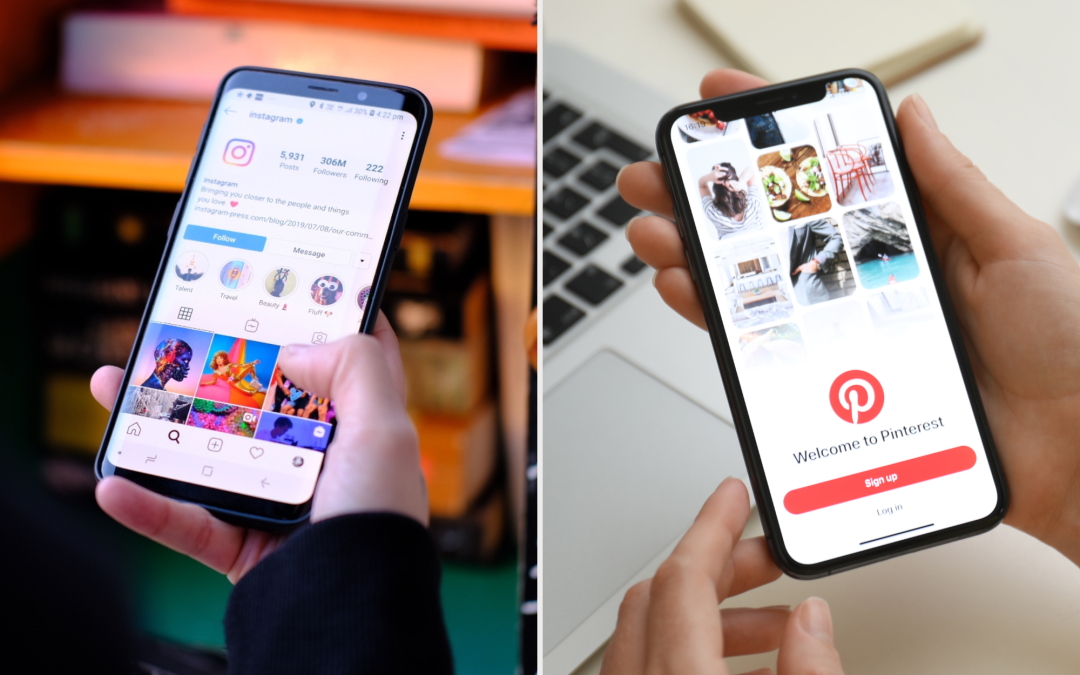
Pinterest ads vs Instagram ads: What’s best for your business?
When it comes to online advertising, deciding where to spend your money can feel overwhelming. With so many platforms promising results, how do you pick the right one? Two of the most popular options—Pinterest and Meta (Facebook and Instagram)—each bring unique strengths to the table. But they also cater to different audiences and goals. So, which one is the better fit for your business? (Spoiler: sometimes it’s both!)
Here at PinHouss we are a Pinterest Marketing Agency, but we regularly tell our clients that using both platforms is the best option. We also know your funds as a small business owner can be limited, so choices have to be made. We want to break down the key differences between Pinterest Ads and Meta Ads, including the size of their platforms in 2025, their audiences, pros and cons, costs, and how to decide where your ad dollars will have the biggest impact.
The Platforms: Pinterest vs. Meta in 2025
One misconception we have to clear up right away, Pinterest is not a social media platform, it’s a visual search engine where users actively seek inspiration and ideas. As of 2025, Pinterest boasts over 537 million monthly active users globally, and what makes it truly special is that people come here with a purpose. Whether they’re planning a kitchen renovation, hunting for the perfect birthday gift, or dreaming up their next vacation, Pinterest users are planners and buyers. They have high intent and are actively searching for inspiration and products to buy.
Nearly 83% of weekly Pinners have made a purchase based on content from brands on the platform. Pinners are also 2.2 times more likely than other social media users to find new products and ideas on Pinterest.
Pins (and ads) on Pinterest live much longer than posts on other platforms. A single Pin can continue to bring traffic to your website for months—or even years.
Meta (Facebook & Instagram)
Meta platforms are a powerhouse in the digital advertising world and they offer some of the best opportunities to reach a wide audience, with 3.5 billion active users across Facebook and Instagram in 2025. That’s an audience size you simply can’t ignore. Meta thrives on keeping people connected—whether through Reels, Stories, or posts—and its advertising tools are some of the most advanced in the game. It’s a great place to connect with your customers, give updates, build customer loyalty and share more about why you do what you do.
While Meta platforms are great for reaching a massive audience, keep in mind that they’re also noisy. Users scroll quickly, and ads need to work hard to grab attention in a sea of memes, baby pictures, and cat videos.
Audience Differences: Who Are You Talking To?
Pinterest Audience
Pinterest is a sweet spot for businesses that target women. In fact, 70% of Pinterest users are women, with a large percentage of them being U.S. moms. Millennials and Gen Z are also active on the platform, and many use Pinterest as their go-to resource for inspiration. The beauty of Pinterest is that people don’t just browse—they’re there to take action. They’re saving ideas for later or clicking through to shop.
If your business is in industries like home decor, fashion, beauty, food, or weddings, Pinterest is practically made for you.

Meta Audience
Meta gives you access to a broader and more diverse audience. Facebook skews slightly older, making it great for reaching Gen X and Boomers, while Instagram attracts Millennials and Gen Z. Unlike Pinterest, most users on Meta platforms aren’t actively searching for products or ideas—they’re scrolling for entertainment or connection. That means your ads need to interrupt their experience in a way that feels engaging (but not annoying).
If your brand thrives on community building or retargeting campaigns, Meta’s your playground.
Cost of Ads: Pinterest vs. Meta
Budget is always a big factor when choosing where to advertise, and here’s the good news: Pinterest Ads can often be more affordable than Meta Ads. In 2025, the average cost-per-click (CPC) for Pinterest Ads ranges from $0.50 to $2.00, depending on the industry and campaign goals. Since Pinterest has fewer advertisers than Meta, competition is lower, which can mean more bang for your buck.
Meta Ads, on the other hand, tend to be pricier. The average CPC on Facebook and Instagram falls between $1.50 and $3.50, but certain industries—like finance or tech—can see costs soar much higher. That said, Meta offers advanced targeting tools that can make the higher price worth it if you have a clear strategy in place.
Pros and Cons of Each Platform
Why Choose Pinterest Ads?
Pros:
- High Buyer-Intent: Users are searching for products, ideas, and inspiration, making Pinterest perfect for driving traffic and conversions.
- Long Lifespan: Your ads and pins don’t disappear after a day—they can stay relevant for months (even after you stop spending money)
- Affordable Costs: Lower CPC compared to Meta means you can stretch your budget further.
- E-Commerce Friendly: Features like Product Pins and Shopping Ads make it easy to showcase what you’re selling.
- Less Competition: While this varies depending on which industry you’re in, Pinterest generally has less competition which means lower ad costs and quicker ad lift for your audience.
Cons:
- Smaller Audience: While highly engaged, Pinterest’s audience is much smaller than Meta’s.
- Niche Appeal: If your industry doesn’t align with Pinterest’s main categories (e.g., home, fashion, food), it might not be as effective.
- Steeper Learning Curve: Pinterest requires high-quality visuals that fit the platform’s aesthetic, which can take time to master.
- Different than other Platforms: Pinterest is very different than other social networks and even Google, you will need to learn the ins and outs or hire a Pinterest ads manager (we know a great one 😉)
Why Choose Meta Ads?
Pros:
- Massive Reach: With billions of users, Meta has the ability to scale your campaigns in ways Pinterest can’t.
- Advanced Targeting: You can get laser-focused with your audience, targeting based on behaviors, interests, and demographics.
- Diverse Formats: From Instagram Reels to Facebook Stories, you have endless ways to experiment with your ads.
- Real-Time Engagement: Meta’s social aspect allows brands to connect directly with their audiences.
Cons:
- Higher Costs: Expect to pay more per click, especially in competitive industries.
- Shorter Lifespan: Ads have a limited shelf life, meaning you’ll need to keep creating and spending to stay visible.
- Ad Fatigue: With so many ads on the platform, users may tune yours out if it doesn’t stand out.
How to Decide Where to Spend Your Money
1. Know Your Goals
Are you looking to drive awareness and get conversions? Pinterest is your best bet. Do you want to convert warm leads or build a community? Meta might be the better fit. If your goal is to cover the full customer journey, consider using both platforms in tandem.
2. Consider Your Audience
If your target audience is women, especially U.S. moms or Millennials, Pinterest should be a top contender. If your business caters to a broader or older demographic, Meta’s reach will be more effective.
3. Factor in Your Industry
Pinterest is ideal for visual industries like home decor, fashion, parenting, travel and food, while Meta is more flexible for tech, entertainment, and B2B services.
4. Look at Your Budget
If you’re working with a tight budget, Pinterest’s lower CPC could be a game-changer. However, if you’re willing to spend more for advanced targeting and massive reach, Meta might deliver a stronger ROI.
5. Test and Measure
You don’t have to put all your eggs in one basket. Run small campaigns on both platforms to see which performs better for your specific business. Use metrics like click-through rates (CTR), conversions, and return on ad spend (ROAS) to make an informed decision.
Why Pinterest Deserves Your Attention
At the end of the day, Pinterest offers something truly unique: an audience that’s not just passively scrolling but actively looking for ideas and solutions. Ads on Pinterest are less intrusive and feel more natural, which is why they tend to drive higher engagement and longer-term results.
If you’re curious about how Pinterest Ads could help your business, we’re here to make it easy. At PinHouss, we specialize in creating and managing Pinterest campaigns that get real results. Whether you’re new to the platform or looking to scale, we can craft a strategy that works for your goals.
PS- Check out some of our recent Case Studies!
There’s no one-size-fits-all answer when it comes to Pinterest Ads vs. Meta Ads. Both platforms have their strengths, and the right choice depends on your audience, goals, and budget. In many cases, a combination of both platforms can help you create a well-rounded marketing strategy that drives results at every stage of the customer journey.
So, where should you start? Let’s chat about how Pinterest can fit into your marketing plan—and whether pairing it with Meta makes sense for your business. After all, the best advertising strategy is the one that works for you.