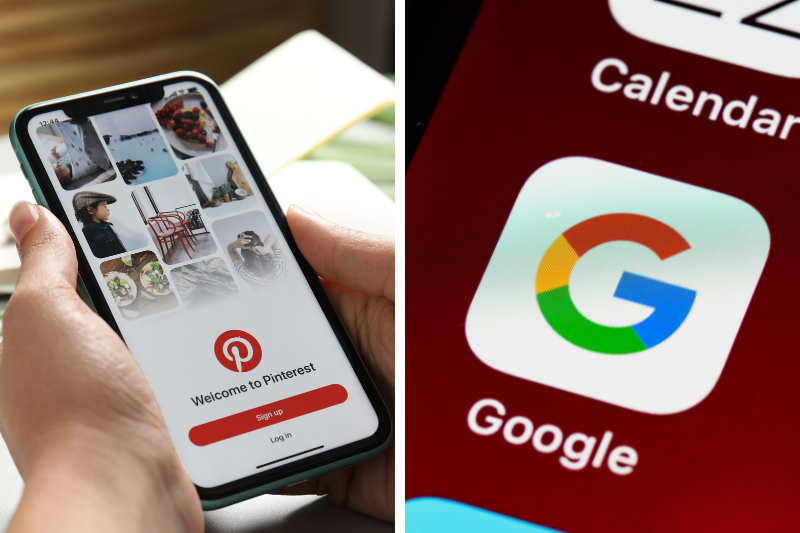
You may have noticed some big changes on Pinterest the past few months, and by “changes” I mainly mean a massive increase in ads on the platform. Why? Because Pinterest and Google are partnering and the ramifications are huge for users and marketers alike. This partnership aims to boost Pinterest’s ad revenue, especially from users outside the U.S. Let’s break down what this means for you and your marketing strategy on Pinterest, along with the pros and cons of these changes.
What’s the Deal?
The partnership between Pinterest and Google signifies a strategic move to integrate Google’s Ad Manager with Pinterest’s advertising platform. This collaboration follows a similar agreement with Amazon, making Google the second third-party ad partner for Pinterest. The primary goal is to enable ads to be served on Pinterest through Google’s Ad Manager, directing Pinterest users to advertisers’ websites to complete purchases. 80% of Pinterest’s user base is outside the U.S., but it makes up only 20% of its revenue. Pinterest executives are hoping that this partnership will help boost revenue in international markets. Here’s what Pinterest CEO Bill Ready said about this partnership:
“This partnership will focus on monetizing several of our currently unmonetized international markets by enabling ads to be served on Pinterest via Google’s Ad Manager. We went live a couple of weeks ago, and this is starting to ramp up. Third-party ad demand is scaling as we anticipated.”
The Pinterest marketing community has mixed feelings about this partnership. While having a broader reach is always a good thing for marketing, it could have negative effects on smaller businesses when it comes to competition and organic strategies. Pinterest is almost 15 years old and they have always managed to find a balance when it comes to revenue and user experience, so we are hopeful that after the kinks are worked out it will be an overall good thing.
What Changes You’ll See
- Enhanced Ad Integration: Expect to see ads on Pinterest that feel more seamless and relevant, thanks to Google’s advanced ad tech. When users click on these ads, they’ll be taken directly to the advertiser’s website, making it easier to shop.
- Broader Reach: If you’re already using Google Ads, this partnership means your ads can reach Pinterest’s user base too, which is great for visibility and engagement.
- International Focus: Pinterest has a huge global audience, but until now, most of its revenue has come from the U.S. This partnership aims to change that by boosting ad revenue from international users.
Pros for Businesses
- Wider Audience: Your Google ads could reach Pinterest’s 465 million monthly users, many of whom are looking for inspiration and ready to buy (Pinterest).
- Better Targeting: Google’s Ad Manager offers sophisticated targeting options, which means you can tailor your ads to reach the right people at the right time, especially if you are already advertising on Google.
- Streamlined Process: The integration with Google Ads means you can get more from your advertising and manage your Pinterest ads more efficiently.
Cons for Businesses
- Increased Competition: With more businesses likely to jump on board, there might be more competition for ad space on Pinterest. We have already noticed a shift in some of our client’s analytics because of the huge increase in ads.
- Content Optimization: Google and Pinterest are different platforms and the content that works on Google may not be right for Pinterest and vice versa. This could cause problems for conversion rates and ROAS if you aren’t making sure the content you are pushing through to Pinterest is optimized for the platform.
- Corporate Competition: We have also noticed that corporate brands are taking advantage of this partnership and we are seeing more from them than we used to on Pinterest. This means you are coming up against big marketing budgets and
Why You Still Need Pinterest Advertising
While the Google integration offers many benefits, we recommend using both if you can. If Pinterest is still a big part of your marketing strategy, here’s why we think you should continue with Pinterest-spefici ads:
- Platform-Specific Tools: Pinterest’s ad platform provides unique tools like Promoted Pins and video ads tailored specifically for the Pinterest audience, ensuring your content resonates with users in a way that’s native to their experience.
- Detailed Analytics: Pinterest’s own analytics tools give you deep insights into how users interact with your pins, allowing for fine-tuned strategies that leverage platform-specific trends and behaviors.
- Creative Flexibility: Pinterest’s ad tools are designed to help you create visually appealing and engaging content that stands out in users’ feeds. This can complement the more traditional ads served via Google’s Ad Manager.
Takeaways for Your Marketing Strategy
- Expand Your Reach: This partnership is a golden opportunity to tap into Pinterest’s active user base, especially if you’re looking to grow your international presence.
- Optimize Your Ads: Use the advanced targeting features to create highly personalized and effective ad campaigns.
- Keep an Eye on Performance: With better analytics through Google’s Ad Manager, make sure to track your ad performance and tweak your strategy as needed.
- Stay Competitive: Be prepared for increased competition but use it as motivation to make your ads stand out.
- Leverage Both Platforms: Utilize both Google’s and Pinterest’s advertising platforms to maximize reach and engagement. Each platform offers unique advantages that, when combined, can significantly boost your marketing efforts.

Want more help with Pinterest advertising? We would love to chat with you and create a strategy that works. Learn more!